Slab Settling in North Louisiana? Here's What You Should Do
Slab Settling in North Louisiana? Here's What You Should Do
If you live in North or Central Louisiana and have noticed cracks in your walls, sloping floors, or uneven concrete around your home, there's a good chance you're dealing with slab settling. It’s one of the most common—and most costly—foundation issues in the region. Unfortunately, it’s also one of the most frequently ignored, especially in the early stages.
At Cripps Foundation Service, we’ve been repairing slab foundations in places like Calhoun, West Monroe, and Farmerville for over 40 years. This guide will walk you through why slab settling happens, how to recognize it early, and most importantly—what you should do if it’s affecting your home.
What Is Slab Settling?
Slab settling occurs when the soil beneath your home’s concrete foundation shifts, erodes, or loses its load-bearing capacity, causing parts of the slab to sink. When this happens unevenly, it creates stress that leads to visible cracks and structural instability.
What slab settling can cause:
- Cracks in floors, walls, or ceilings
- Sloping, sagging, or uneven floors
- Doors and windows that stick or won’t latch
- Cracked bricks or mortar on exterior walls
- Plumbing issues due to broken pipes under the slab
- Gaps between baseboards and flooring
- Long-term damage to structural integrity
In short, slab settling doesn’t just affect how your home looks—it affects how it functions, and can threaten its overall safety and value if left unchecked.
What Causes Slab Settling in Louisiana?
Louisiana’s unique climate and soil conditions make it especially vulnerable to foundation movement. Homes in Calhoun, Swartz, West Monroe, and Choudrant Village often experience slab issues for the following reasons:
1. Expansive Clay Soil
Our region is rich in clay soil, which is highly reactive to moisture. It expands significantly when wet and shrinks when dry, creating ongoing pressure under your slab. This swelling and shrinking causes the soil to shift and settle, leading to voids beneath the foundation.
2. Poor Drainage or Erosion
Homes that don’t have proper grading, working gutters, or drainage systems are especially prone to settling. When water pools near your foundation, it gradually erodes the soil, washing it away and leaving empty space beneath the slab. Over time, this can cause parts of the foundation to drop.
3. Plumbing Leaks Under the Slab
Leaks from water lines, sewer lines, or HVAC systems under your slab can soften or wash away the soil. These hidden leaks are one of the most common causes of localized settling, and they often go unnoticed until structural signs appear inside the home.
4. Improper Site Preparation During Construction
If the soil was not adequately compacted before your home was built—or if the slab was poured on loose fill—it may settle more quickly than expected. This is particularly common in older homes or those built before modern standards were applied.
5. Tree Roots and Vegetation
Trees and large shrubs planted too close to your home can draw moisture out of the soil unevenly, especially during dry seasons. This contributes to localized drying and shrinking, which can lead to uneven slab movement.
6 Signs Your Slab Might Be Settling
Not sure if slab settling is affecting your home? Here are the most common signs to watch for:
- Cracks in interior floors or tiles lifting
- Doors or windows that stick or don’t align properly
- Gaps between floors and baseboards or crown molding
- Diagonal cracks in drywall or stair-step cracks in brick
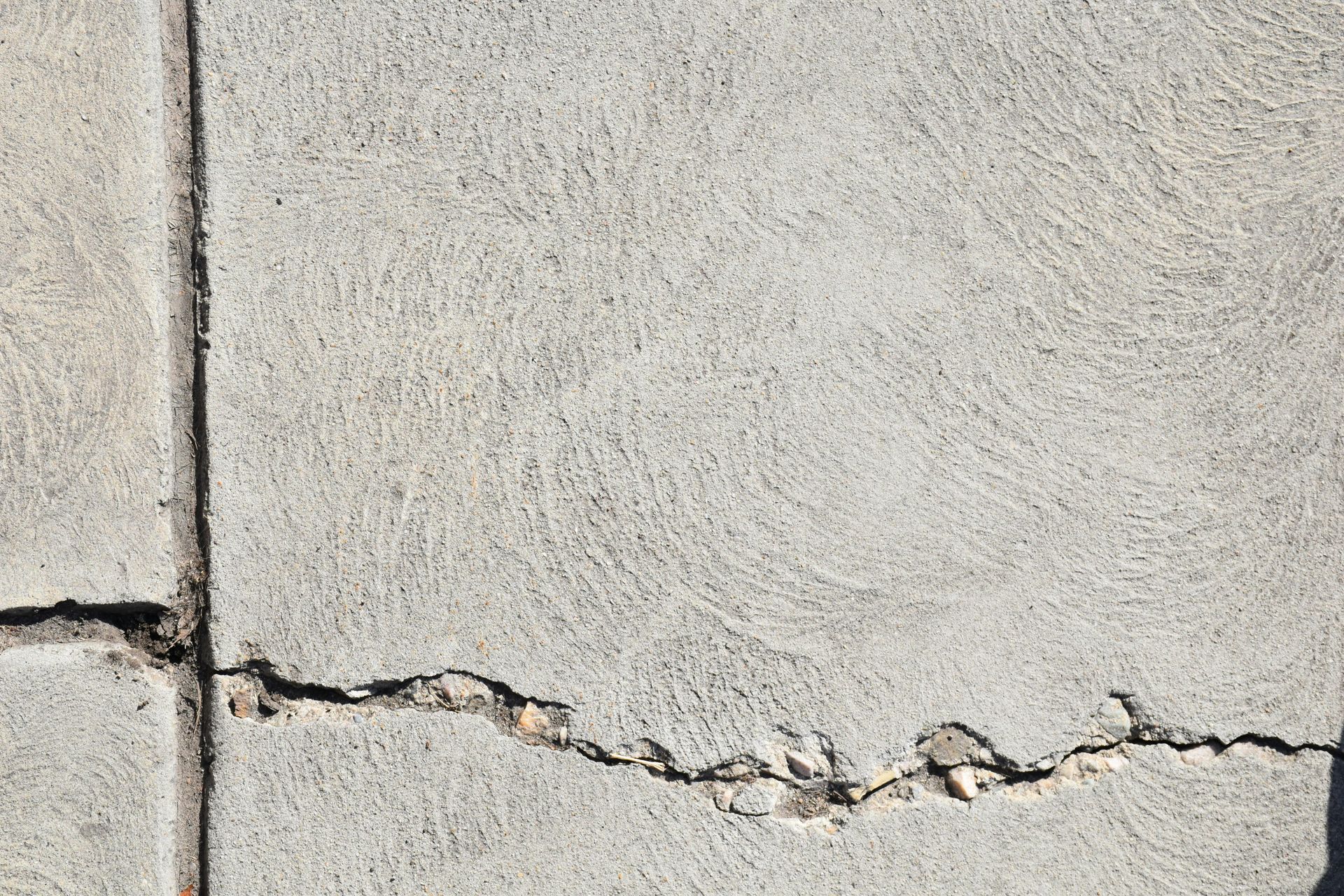
- Visible cracks in exterior concrete or foundation walls
- Sloping, bouncy, or uneven floors
The sooner you catch these signs, the more options you’ll have for repair—and the less damage your home will suffer long term.
What to Do if You Suspect Slab Settling
Step 1: Schedule a Professional Inspection
Don’t rely on guesswork or Google to figure out if your slab is settling. At Cripps Foundation Service, we offer free, no-obligation foundation inspections throughout North Louisiana. During the inspection, we:
- Examine the inside and outside of your home
- Check for level changes in your floors
- Identify cracks and measure movement
- Determine whether moisture, soil, or structural issues are the cause
Step 2: Address Drainage and Moisture First
If poor water management is contributing to soil erosion, we’ll recommend targeted moisture control strategies, which may include:
- Installing French drains to divert water away from the foundation
- Improving grading around the home’s perimeter
- Adding vapor barriers in crawl spaces
- Extending or repairing gutter systems
Without correcting these issues, repairs won’t last.
Step 3: Implement the Right Foundation Repair Method
Depending on the extent of the damage, we may recommend:
Slab Pier Installation
Steel or concrete piers are driven deep into stable soil below the home to lift and permanently support the foundation.
Mudjacking (Slab Lifting)
For smaller voids or sunken slabs, we inject material beneath the slab to raise and level it without extensive excavation.
Foam Injection
A modern alternative to mudjacking that uses expanding polyurethane foam to stabilize and support the slab.
Crack Sealing and Monitoring
In cases of minor movement, we may simply seal visible cracks and install monitoring equipment to track changes over time.
Why Slab Settling Is So Common in Calhoun, LA
If you live in Calhoun or the surrounding areas, slab issues aren’t just possible—they’re expected without proper preventative measures. That’s due to:
- Clay-heavy soils that expand and contract regularly
- Frequent rainfall and flash storms that compromise soil strength
- Flat terrain that makes water pooling around foundations more likely
- Older homes built without today’s modern slab standards
We understand these challenges because we live and work in the same region. That’s why we tailor our repair solutions to local conditions and long-term durability.
FAQs About Slab Settling and Repairs
How much does it cost to repair a settling slab?
Costs typically range from $2,500 to $12,000 or more, depending on the extent of the damage, soil conditions, and repair method. We always provide free inspections and estimates before any work begins.
Is slab settling dangerous?
Yes. Over time, settling can lead to serious structural issues, including cracked walls, broken plumbing, and roof misalignment. Left untreated, it can lower your home’s value or lead to safety concerns.
Can I fix a settling slab myself?
No. DIY repairs only address surface symptoms. You need specialized tools and knowledge to lift and stabilize a foundation properly. Incorrect attempts can make the problem worse and void insurance or warranty coverage.
How long does slab repair take?
Most residential foundation repairs take 1 to 3 days, depending on the method. Larger homes or projects involving multiple slab sections may take longer.
Schedule Your Free Slab Inspection Today
If you're seeing any signs of slab settling, the worst thing you can do is wait. Foundation damage does not fix itself, and early detection is your best defense against major repairs.
At Cripps Foundation Service, we’ve helped homeowners throughout North and Central Louisiana stabilize their foundations and restore peace of mind. We serve:
- Calhoun
- West Monroe
- Swartz
- Farmerville
- Choudrant Village
- Grambling
Call us today at (318) 680-9300
Or email us to schedule your free slab inspection
We’re here Monday through Saturday, 7 a.m. to 7 p.m., and ready to help.
Recent Posts